HVAC Pulse
What's happening right now in heating, cooling, refrigerants, and efficiency — aggregated from public sources, classified by topic, with every item linking back to the original.
Heat Pump Policy Gains, Mini-Split Cleaning Debate, and School HVAC Funding: Week of Oct. 5, 2026
**Policy & Incentives**
Massachusetts expanded winter energy discounts for heat pump households, offering stronger rate relief during peak heating months. Meanwhile, California moved to streamline permitting for heat pumps and solar installations, reducing red tape that has slowed residential upgrades.
**Maintenance**
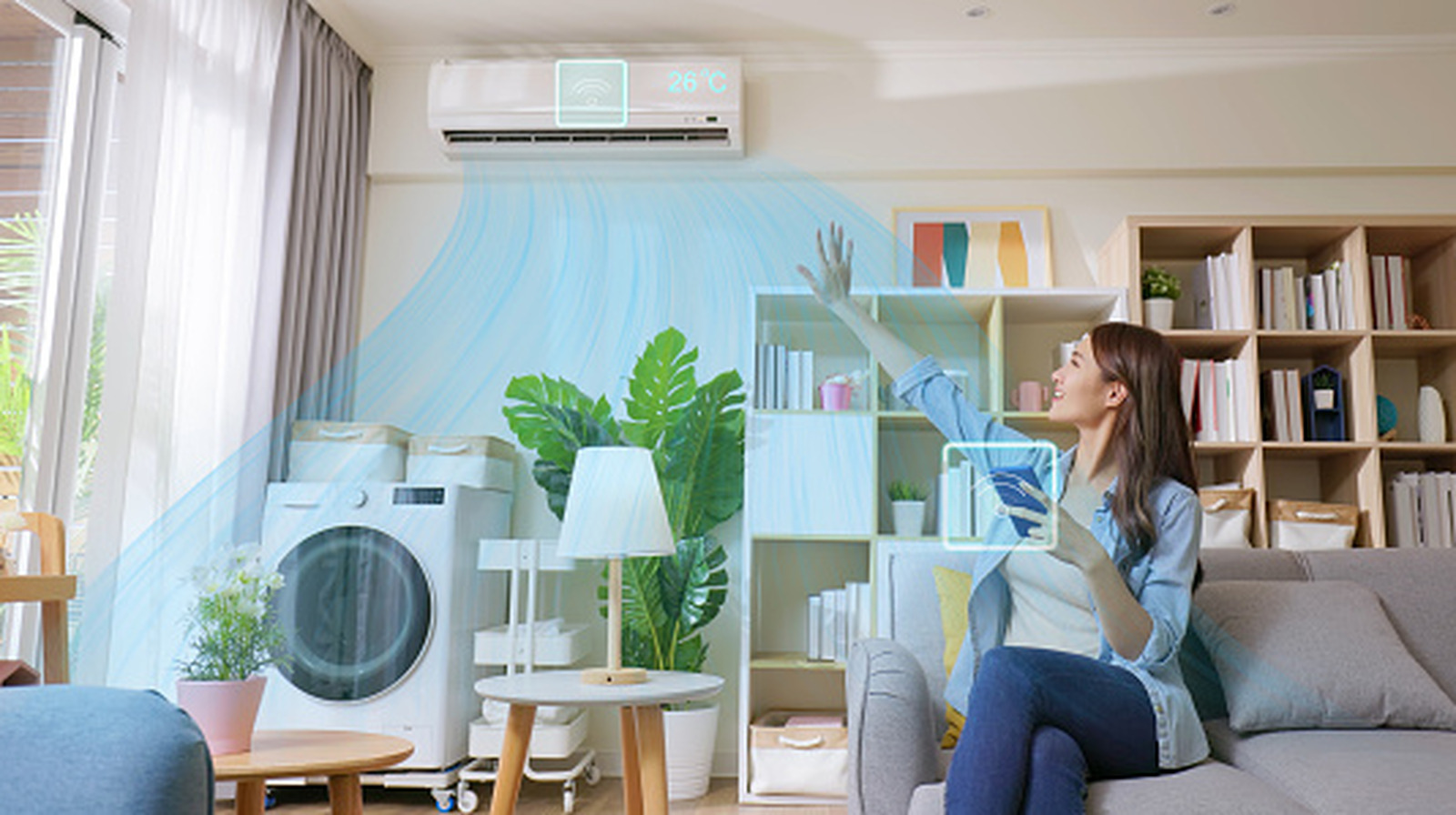
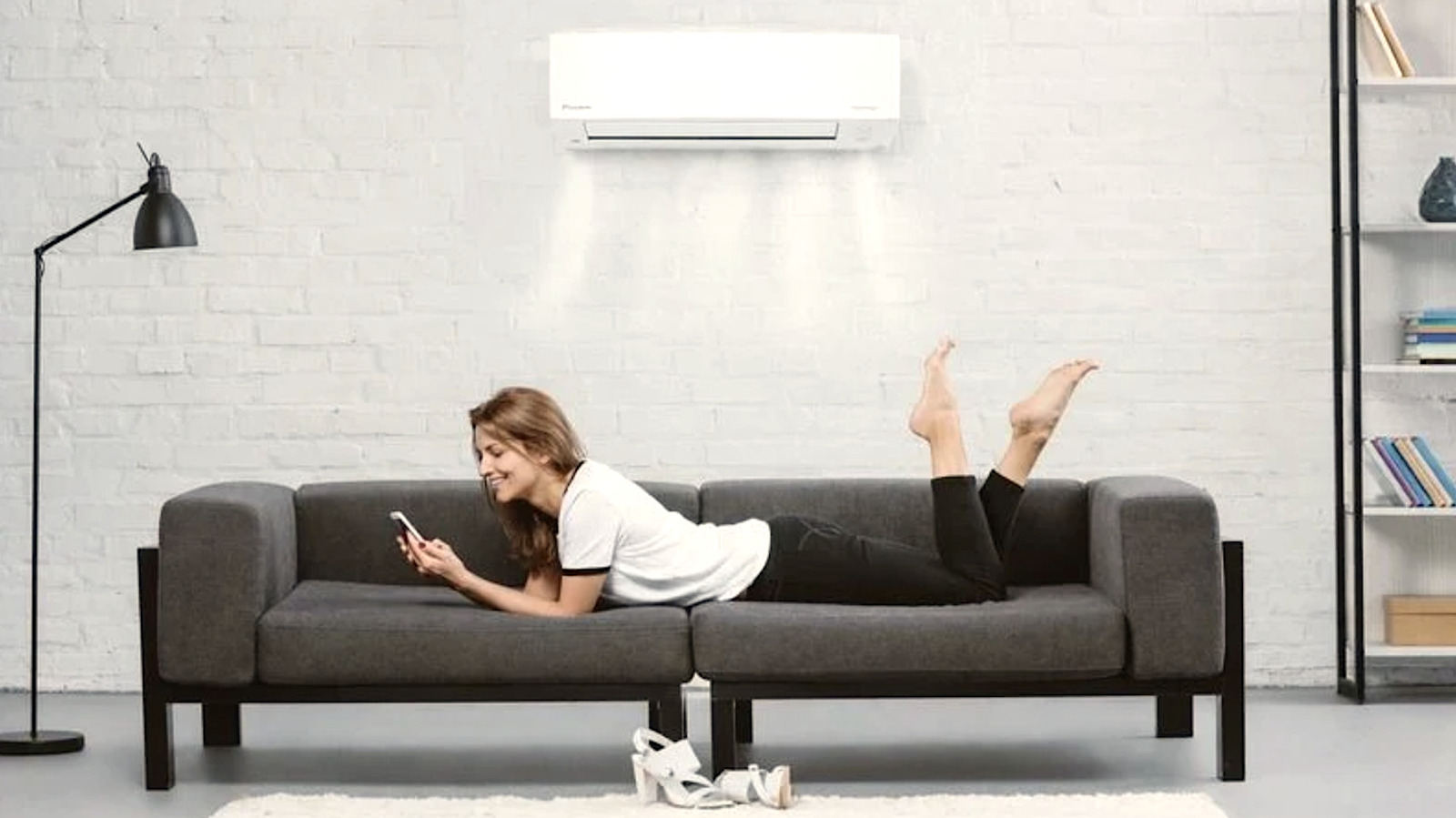
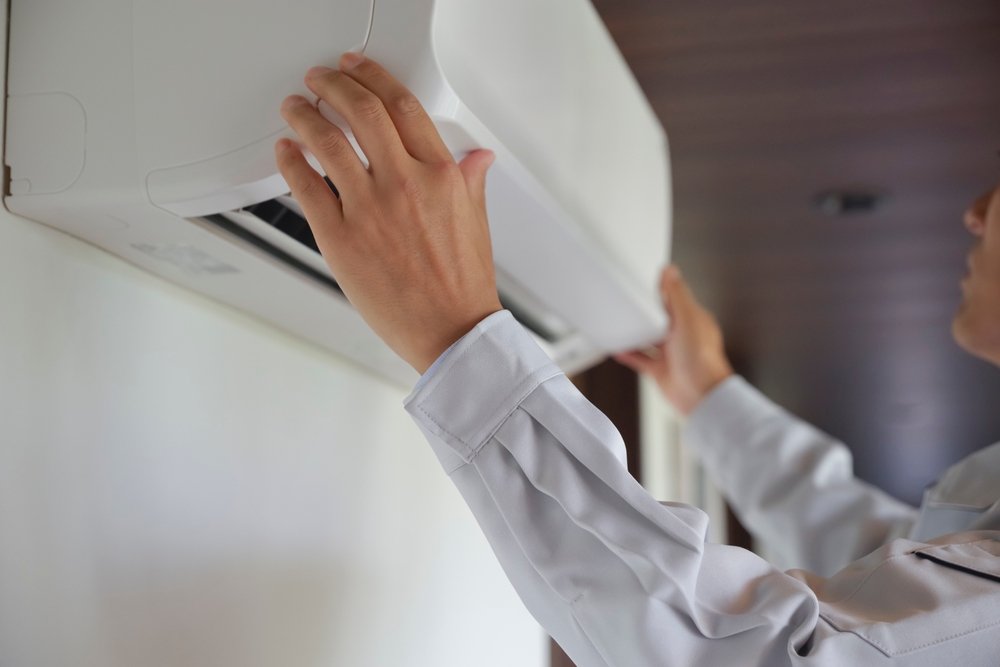
A Green Building Advisor discussion on mini-split cleaning surfaced practical concerns about access to evaporator coils and blower wheels across brands — worth reviewing before heating season.
**Public Projects**
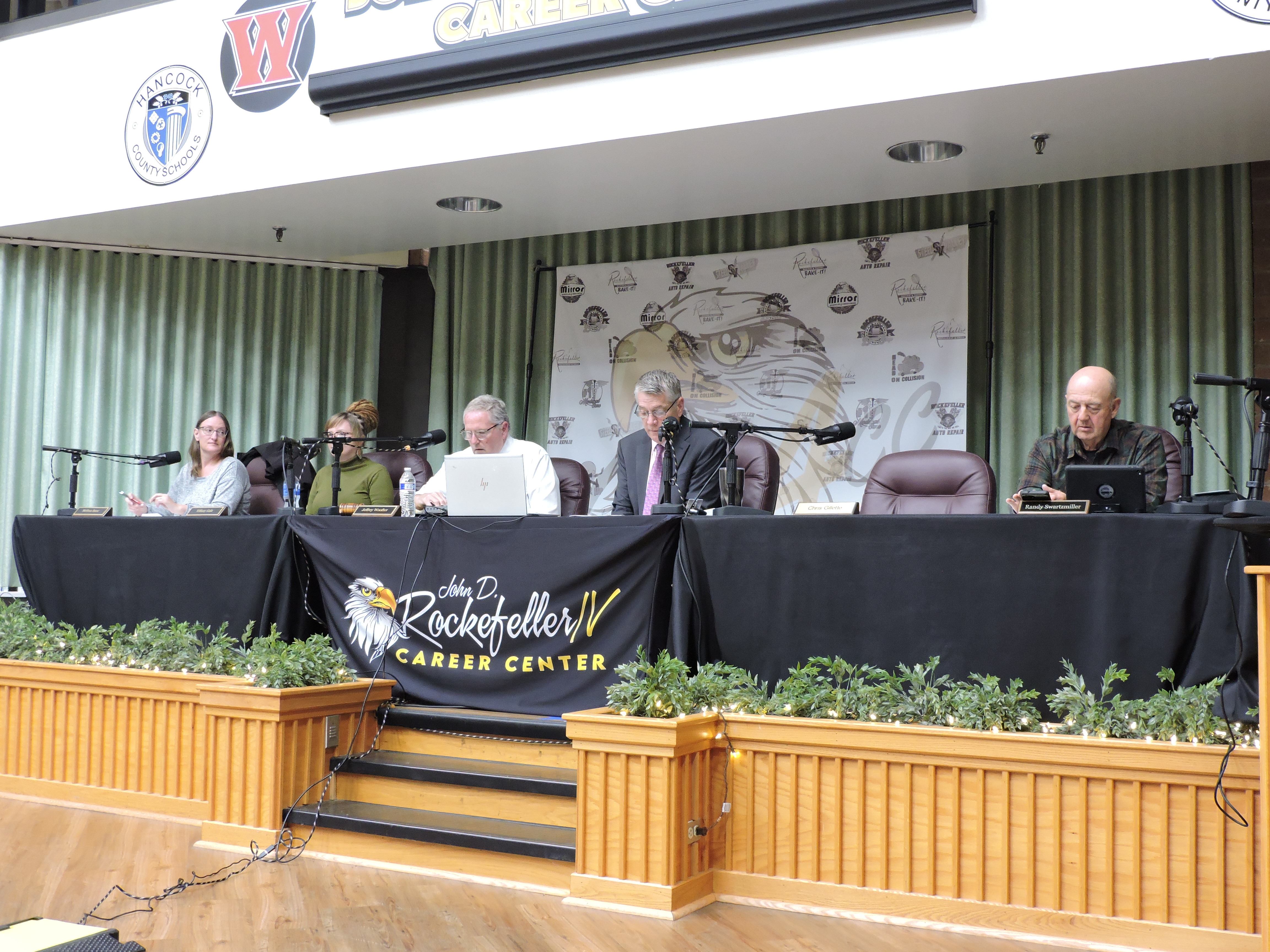
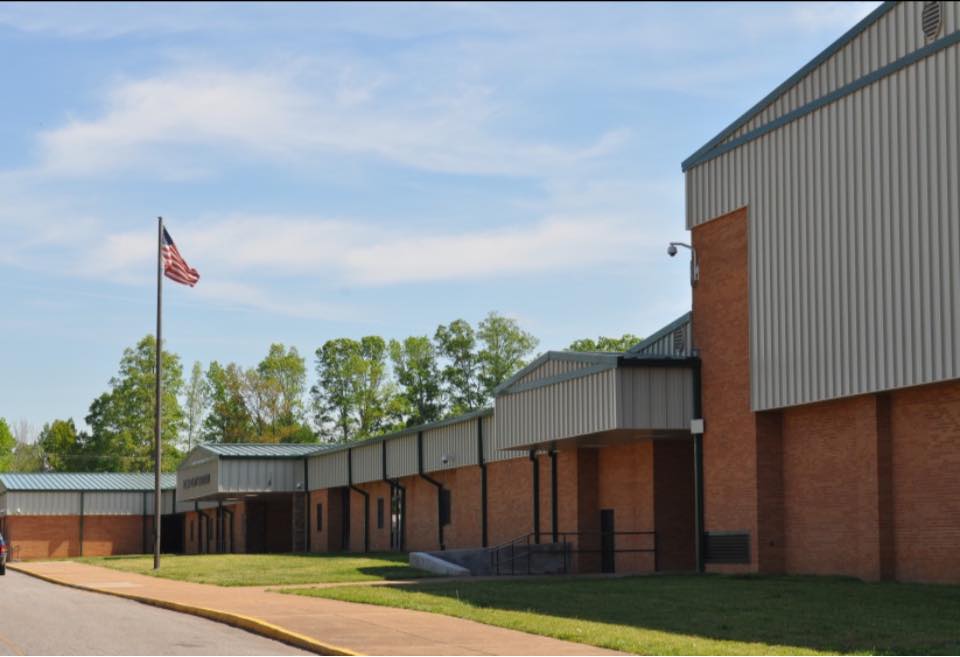
Hancock County Schools is pursuing SBA financing for an HVAC overhaul at Weir school, reflecting continued pressure on aging K–12 infrastructure.
**Deals**
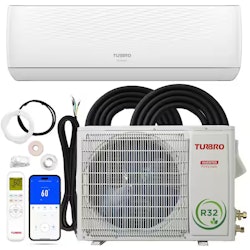
Home Depot is running up to 40% off home essentials with free shipping this week, including select HVAC accessories.
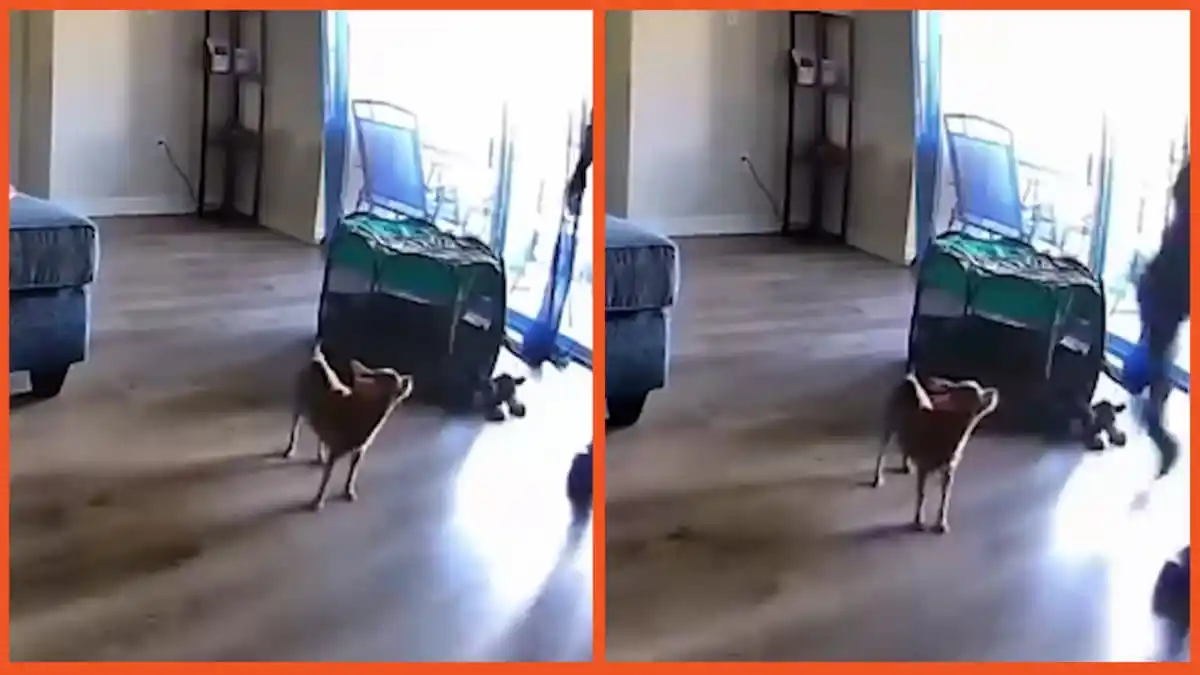
Florida dog owners outraged after home camera shows HVAC technician kicking their chihuahua, causing a seizure
Footage shows Boomer the chihuahua being attacked after he was left alone with the worker.
We Got This Covered · 20h ago




























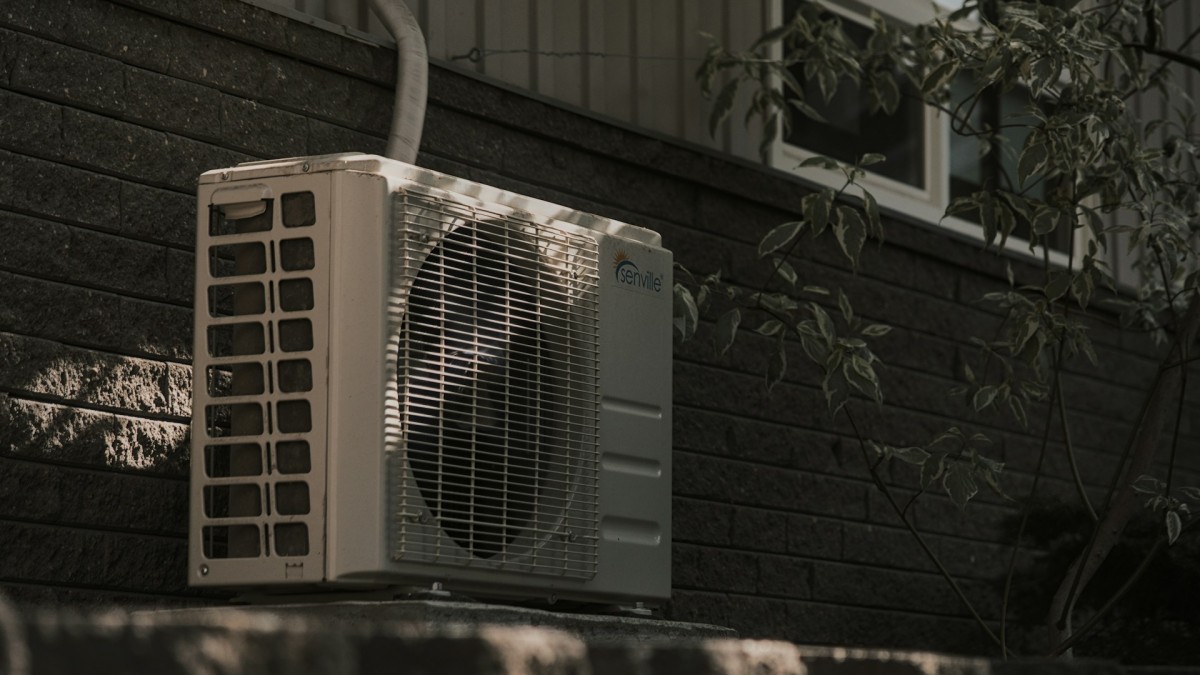
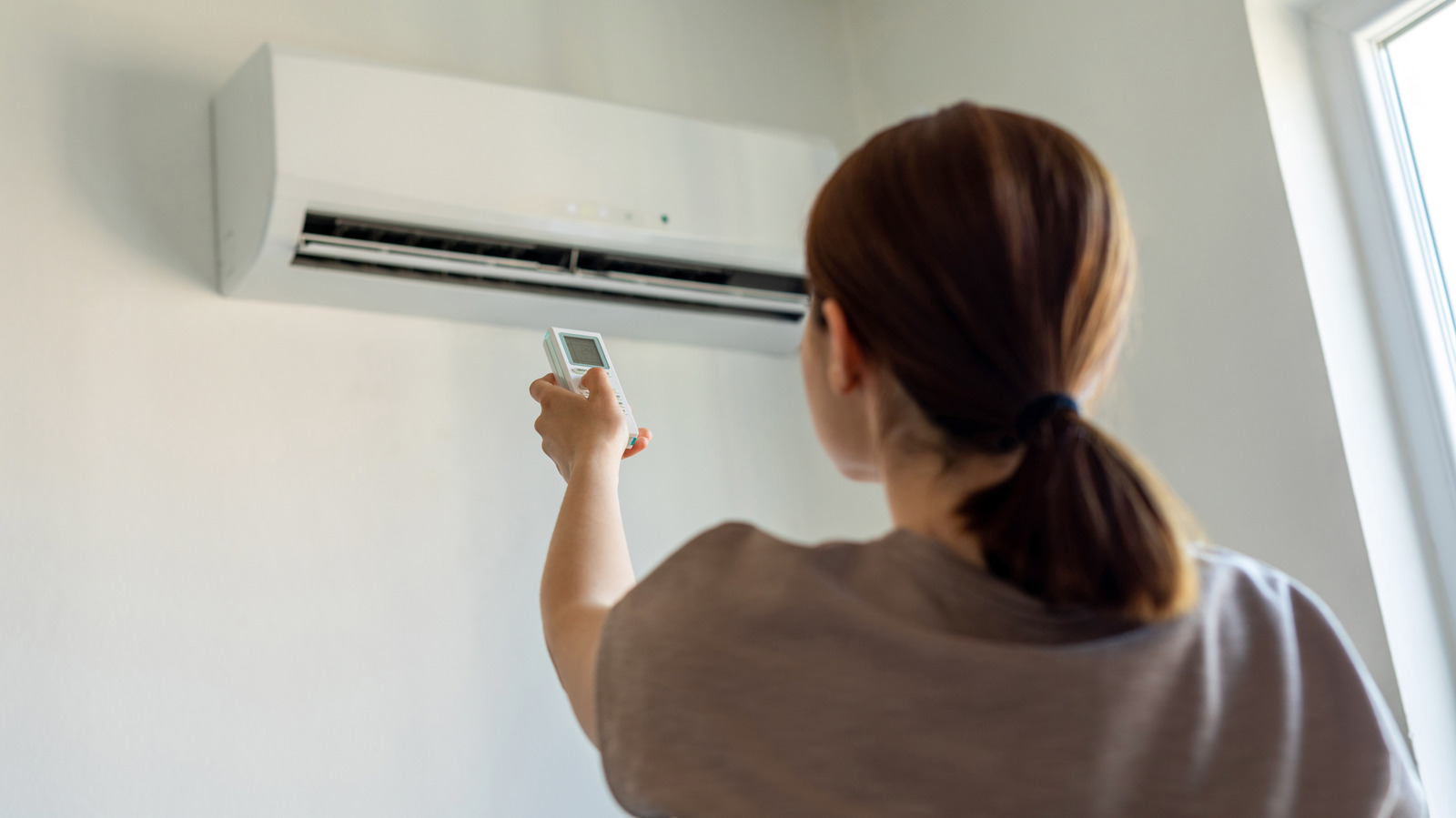
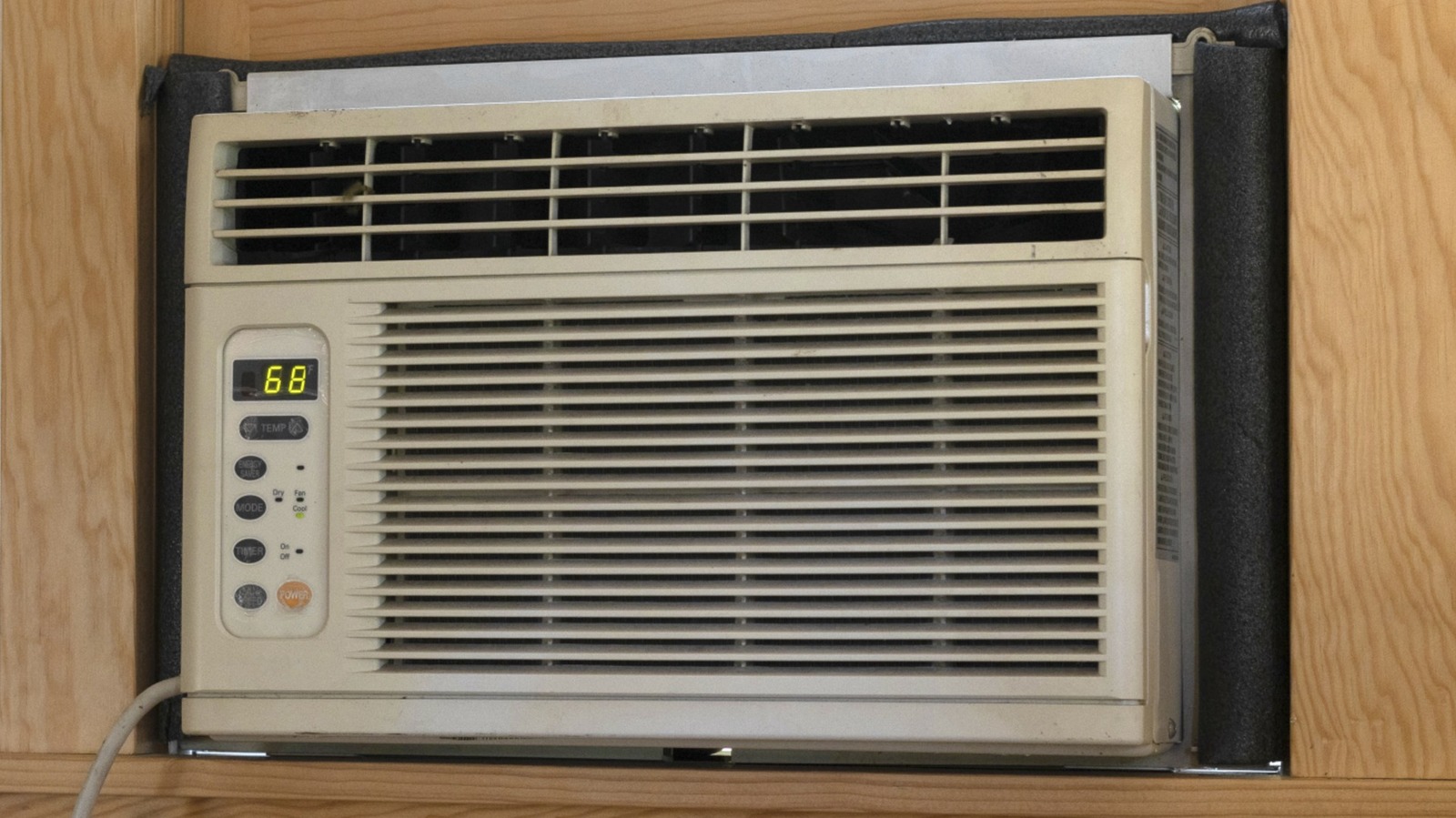























Friedrich is recalling KÜHL window air conditioners because a faulty control board can overheat and cause fires or burns.
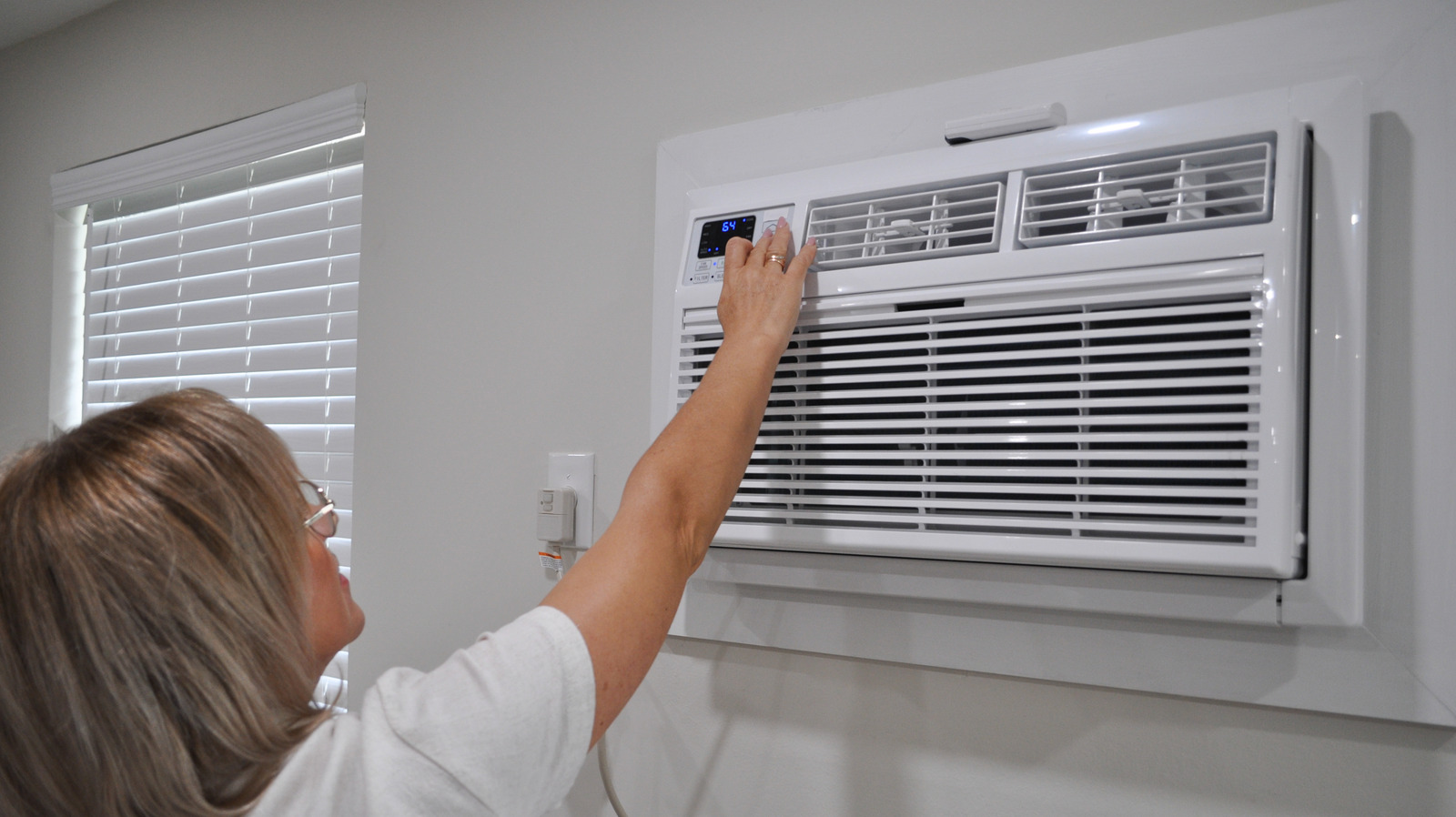
Friedrich is recalling KÜHL window air conditioners because a faulty control board in the motor can overheat, creating fire and burn risks.
Amana through-wall air conditioners and heat pumps are recalled because a faulty electrical component can catch fire, creating a serious burn hazard.
Amana through-wall air conditioners and heat pumps are being recalled because a faulty internal circuit component can catch fire and cause serious injury.
Certain Airedale heat pump ventilation fans may catch fire if water reaches the motor circuit board, requiring immediate inspection and potential replacement.
Certain Amana air conditioners and heat pumps may retain electrical power in the heating element during a ground fault even when switched off, creating fire and burn hazards.
Trane is recalling certain gas/electric packaged units because a defective fuel gas valve may open unexpectedly, creating a gas leak and fire risk.
Manufacturers must use updated industry test standards to measure central air conditioner and heat pump efficiency for federal compliance.
Oil, electric, and gas furnaces must meet updated federal efficiency standards to reduce energy consumption and operating costs.
New efficiency standards require furnace fan motors to meet minimum energy performance levels set by the Department of Energy.